




How to Store Propylene Glycol: Best Practices for Quality and Safety
Propylene glycol (PG), also known as 1,2-propanediol, is a stable, hygroscopic diol widely used in food, pharmaceutical, cosmetic, and industrial applications. This versatile compound requires straightforward storage practices to maintain quality, prevent contamination, and ensure product integrity across its various grades.
Unlike volatile solvents or reactive chemicals, propylene glycol presents minimal safety concerns during storage. The material doesn't burn readily, generates negligible vapors, and shows low toxicity. These favorable characteristics make PG one of the simpler industrial chemicals to store safely. However, maintaining product quality still demands attention to contamination prevention and moisture control.
Propylene glycol's generally recognized as safe (GRAS) status for food use reflects its benign nature compared to similar compounds. This designation allows widespread use in foods, beverages, medications, and personal care products. The favorable toxicity profile simplifies handling requirements while still necessitating proper practices preserving quality for sensitive applications.
Different grades serve markets with distinct purity needs. USP-grade propylene glycol meets pharmaceutical standards for drug formulations and medical applications. Food-grade PG follows FDA requirements for direct food contact and ingredient use. Cosmetic-grade material balances purity with economics for personal care products. Industrial-grade PG handles applications where broader purity tolerances are acceptable. Storage practices must accommodate these grade-specific requirements while preventing cross-contamination.


In this article, we’ll examine
- Recommended Storage Conditions
- Container & Packaging Requirements
- Segregation & Compatibility
- Safe Handling in Storage Areas
- Regulatory Compliance & Labeling
- Special Considerations for Propylene Glycol
- Environmental and Safety Considerations
Recommended Storage Conditions
Environmental requirements for propylene glycol storage focus on quality preservation rather than safety hazard control.
Temperature Control
Store at controlled room temperatures between 15-25°C (59-77°F). Propylene glycol remains liquid across a wide temperature range and does not require special temperature controls. The material stays fluid from well below freezing up to boiling temperatures, tolerating environmental variations without phase changes or stability problems.
Pure propylene glycol has a freezing point around -59°C (-74°F), making it suitable for cold storage applications without special handling. This extremely low freezing point eliminates concerns about solidification during winter storage or in refrigerated spaces.
Thermal stability across normal ambient ranges simplifies storage location selection. Unlike materials requiring cooling or heating, PG adapts to whatever temperature exists in available storage spaces. This flexibility allows efficient use of facility areas without dedicated climate control.
Humidity Control
Use tightly sealed containers to minimize moisture absorption. While propylene glycol is hygroscopic, moisture uptake primarily affects concentration rather than causing degradation. The material readily mixes with water in all proportions, absorbing atmospheric humidity when exposed to air.
Water absorption dilutes propylene glycol, reducing concentration and potentially moving material outside specification limits. Applications requiring specific PG concentrations suffer performance problems when moisture dilution occurs. Food and pharmaceutical grades face the strictest concentration requirements.
Tight-fitting seals prevent gradual moisture infiltration during storage. Check closures periodically because gaskets compress, threads wear, and sealing surfaces accumulate residue, compromising effectiveness. Replace questionable closures before failures become apparent through concentration drift.
Light Exposure
Store away from direct sunlight. While propylene glycol is generally stable to light, prolonged UV exposure may cause gradual degradation over extended periods. Indoor storage under normal artificial lighting presents no concerns.
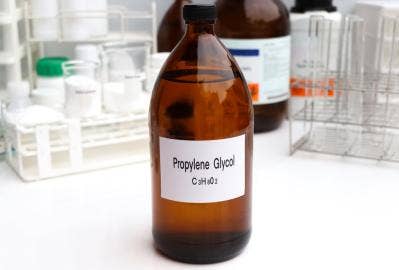
When clear containers are used, keep them away from windows or outdoor storage areas receiving regular sun exposure. Opaque containers eliminate light concerns regardless of location. Amber containers provide UV protection while allowing some visual inspection capability.
Ventilation
Standard room ventilation is sufficient for propylene glycol storage. The compound has very low volatility and does not generate significant vapors under normal storage conditions. Unlike flammable solvents requiring active vapor management, PG stays liquid without releasing airborne material.
General air circulation prevents humidity accumulation and maintains consistent conditions throughout storage areas. Special exhaust systems or forced ventilation aren't necessary for PG storage unless other materials in shared spaces create ventilation needs.
Storage Duration
When properly sealed and stored, propylene glycol maintains stability for extended periods (several years). The material doesn't spontaneously degrade or develop quality problems under appropriate conditions. Pharmaceutical grades should follow manufacturer dating and retest intervals established for quality assurance.
Monitor stored material for visual changes suggesting contamination or degradation. Discoloration from clear to yellow indicates possible oxidation or contamination. Changes in viscosity may signal moisture absorption or thermal effects. Unusual odors point to contamination from storage conditions or container materials.
First-in, first-out rotation ensures using older inventory before newer receipts. While PG remains stable long-term, systematic rotation minimizes risks from aging containers or unexpected storage problems.
Container & Packaging Requirements
Material selection balances chemical compatibility with regulatory requirements for food and pharmaceutical applications.
Material Compatibility
Use containers made from stainless steel, aluminum, HDPE, polypropylene, or glass. These materials are compatible with propylene glycol for long-term storage without interaction or contamination. Stainless steel provides durability and inertness ideal for bulk tanks and process equipment. Aluminum offers good compatibility at a lower cost than stainless steel for many applications.
HDPE and polypropylene plastics resist PG without degradation while providing economical containers for drums, pails, and intermediate volumes. Glass works well for laboratory quantities where visual inspection aids quality monitoring.
For food-grade and pharmaceutical applications, use containers approved for contact with consumable products. Material approvals matter critically because even compatible materials may not meet regulatory requirements for food or drug contact without specific certifications.
Seal Requirements
Containers should have tight-fitting seals to prevent moisture absorption and maintain product specifications. Threaded closures with gaskets provide reliable sealing for most applications. Friction-fit lids typically allow too much moisture infiltration for critical grades.
Gasket materials must resist propylene glycol while maintaining elasticity over time. Nitrile, EPDM, and Viton gaskets work well. Avoid natural rubber gaskets that may absorb PG and swell.
Bulk Storage Systems
For bulk storage, use stainless steel or epoxy-lined tanks with proper venting systems. Tank venting allows pressure equalization during liquid withdrawal and thermal cycling. Vent filters prevent moisture and contaminants from entering during breathing.
Epoxy coatings on carbon steel tanks provide economical alternatives to stainless construction. Coatings must be food-grade approved when storing food or pharmaceutical products. Inspect coatings regularly for damage that might expose the base metal.
Labeling Requirements
Clearly label containers with grade (USP, food-grade, industrial), lot numbers, and storage instructions. Complete identification prevents confusion between grades serving different markets. Lot tracking enables traceability, supporting quality programs and enabling efficient responses if problems arise.
Include received dates and retest dates on pharmaceutical-grade containers. This information supports quality management and ensures material gets tested before expiration dates pass.
Segregation & Compatibility
Proper separation maintains quality standards and prevents contamination, affecting product suitability for intended uses.
Chemical Incompatibilities
Keep separate from strong oxidizing agents that could cause unwanted reactions or contamination. While propylene glycol doesn't react violently, oxidizers may trigger degradation, affecting product quality and purity.
Store away from incompatible materials that may contaminate food-grade or pharmaceutical-grade products. Segregation prevents vapor absorption, dust settling, or spill mixing that would render sensitive grades unusable.
Grade Segregation
Maintain separation between different grades (industrial, food, pharmaceutical, cosmetic) to prevent cross-contamination. Mixing grades creates material not meeting any single specification while potentially wasting expensive pharmaceutical or food-grade product.
Store food-grade and pharmaceutical PG in dedicated areas meeting regulatory standards for consumable products. Physical separation combined with procedural controls prevents accidental substitution or contamination from industrial-grade materials.
Organize storage by application type to ensure appropriate handling protocols and quality controls. Area-based organization allows workers to apply correct procedures automatically based on location rather than reading labels during every operation.
Physical Organization
Arrange containers for easy access based on usage frequency. Commonly used grades should occupy convenient locations, while long-term stock can use less accessible areas. Good organization reduces handling time and minimizes how long containers remain open during material retrieval.
Group similar grades together. Clustering all pharmaceutical grades or all food grades simplifies inventory management and reduces risks of grabbing the wrong material during busy operations.
Safe Handling in Storage Areas
While propylene glycol presents minimal toxicity hazards, certain physical properties require attention during handling.
Personal Protective Equipment (PPE)
Personnel should wear appropriate PPE, including gloves and safety glasses, during handling operations. Nitrile or vinyl gloves protect against prolonged skin contact. While PG shows low toxicity, minimizing direct contact represents good practice.
Safety glasses with side shields protect eyes during transfers or sampling. Splashing PG into the eyes irritates, requiring thorough rinsing, even though serious injury is unlikely.
Transfer Operations
Use proper transfer equipment to prevent spills. Propylene glycol's viscosity exceeds water, requiring pumps and equipment sized appropriately for thicker fluids. Undersized equipment struggles with PG transfer, creating handling difficulties and potential spills.
Plan transfer operations accounting for PG's flow characteristics. The material pours more slowly than water and doesn't flow as readily from containers. Allow adequate time for transfers to complete without forcing or rushing operations that might cause spills.
Slip Hazard Management
Maintain spill cleanup materials, including absorbent pads for prompt response to releases. Propylene glycol creates slippery surfaces when spilled, presenting significant slip and fall hazards.
Provide adequate housekeeping protocols to address spills immediately and maintain safe walking surfaces. Mark marked areas with warning signs while the cleanup proceeded. Even small amounts of PG make floors extremely slick.
The water-soluble nature allows cleaning with water and detergent, but thorough cleaning is necessary to remove all traces. Residual PG remains slippery even after apparent cleanup.
Training
Train staff on proper handling procedures for different grades and applications. Workers need to understand grade-specific requirements and appropriate transfer techniques for viscous liquids.
Include slip hazard awareness in training programs. The seemingly innocuous clear liquid creates serious fall risks that workers might underestimate compared to obviously hazardous materials.
Regulatory Compliance & Labeling
Regulatory requirements depend on propylene glycol grade and intended applications.
Food and Pharmaceutical Regulations
Follow FDA regulations for food-grade and pharmaceutical-grade propylene glycol storage in facilities producing consumable or medical products. FDA requirements address facility design, quality systems, and contamination controls appropriate for food and drug ingredient storage.
Comply with USP (United States Pharmacopeia) standards for pharmaceutical-grade PG storage and handling requirements. USP monographs specify storage conditions, testing protocols, and quality criteria that pharmaceutical materials must meet.
GMP Compliance
Adhere to Good Manufacturing Practice (GMP) requirements for pharmaceutical, cosmetic, and food applications. GMP systems address environmental controls, equipment qualification, process validation, and documentation supporting consistent product quality.
Environmental monitoring tracks temperature, humidity, and contamination in storage areas. Regular monitoring demonstrates maintaining appropriate conditions continuously during storage periods.
Hazard Communication
Follow GHS guidelines for hazard communication and workplace labeling, noting low toxicity profile. While PG presents minimal hazards, proper labeling communicates any risks and handling requirements to workers.
Clearly label containers with grade, purity level, lot information, and any relevant handling instructions. Complete labeling ensures workers apply appropriate handling for specific material grades.
Documentation
Maintain current Safety Data Sheets readily accessible to all personnel. SDS documents provide information about properties, handling, first aid, and disposal, even for low-hazard materials like propylene glycol.
Quality records for food and pharmaceutical grades include analytical certificates, storage condition logs, and retest results. Documentation supports regulatory compliance and quality investigations if product issues develop.
Special Considerations for Propylene Glycol
Specific characteristics of propylene glycol create unique handling and storage considerations.
Grade-Specific Purity
USP and food-grade propylene glycol require contamination-free storage with strict quality controls. Industrial-grade PG has less stringent purity requirements. Pharmaceutical and food grades undergo rigorous testing and certification, requiring careful handling to preserve verified properties.
Implement controls ensuring sensitive grades never contact technical materials or non-food-approved containers. Dedicated equipment, storage areas, and transfer systems preserve required purity levels.
Hygroscopic Management
Minimize container opening time to prevent moisture absorption that can affect concentration and product specifications. Plan sampling and dispensing to work efficiently, then reseal containers promptly.
Applications requiring specific PG concentrations need periodic verification that moisture absorption hasn't altered specifications. Refractometer measurements or density testing confirm concentration remains within acceptable ranges.
Low Toxicity Profile
Propylene glycol has a generally recognized as safe (GRAS) status for food use and low toxicity compared to similar compounds. However, maintain proper handling practices despite benign characteristics.
The favorable toxicity profile simplifies many storage and handling requirements. Extensive PPE and engineering controls necessary for hazardous chemicals aren't required. Standard good practices suffice for propylene glycol.
Freezing Point Considerations
Pure propylene glycol has a freezing point around -59°C (-74°F), making it suitable for cold storage applications without special handling. The material remains liquid under all practical storage temperatures.
This characteristic allows storage in unheated warehouses during winter without concerns about solidification. PG tolerates temperature cycling without developing quality problems from freeze-thaw effects.
Viscosity Characteristics
Propylene glycol is more viscous than water. Use appropriate pumping and transfer equipment sized for higher viscosity fluids. Standard water-handling equipment may not perform adequately for PG transfer.
Viscosity increases at lower temperatures. Winter storage or refrigerated spaces create thicker PG requiring more robust transfer equipment. Plan equipment specifications accounting for temperature effects on flow characteristics.
Environmental and Safety Considerations
Environmental protection practices complete propylene glycol storage management.
Spill Management
Implement spill containment procedures, recognizing that propylene glycol is water-soluble and can enter wastewater systems. Large spills may reach storm drains, sanitary sewers, or surface waters without containment.
Address slip hazards promptly, as propylene glycol creates slippery surfaces. Implement immediate cleanup protocols to prevent injuries from falls. Mark affected areas and restrict access until thorough cleaning removes all PG residue.
Maintain spill response equipment and train personnel on cleanup procedures. Absorbents, wet mops, and appropriate cleaning agents remove PG effectively. The water-soluble nature simplifies cleanup compared to oily materials requiring special treatment.
Wastewater Compliance
Follow local wastewater discharge regulations. Propylene glycol is biodegradable and has low aquatic toxicity, but large releases should be contained and properly disposed. Some jurisdictions limit PG concentrations in wastewater even though environmental impacts are minimal.
Small quantities from routine operations typically qualify for drain disposal. Larger volumes may require collection for proper disposal or pretreatment before discharge.
Waste Disposal
Follow proper waste disposal protocols for expired or off-specification material. Disposal methods vary by grade and must comply with local regulations. Pharmaceutical-grade waste may require destruction to prevent diversion to unauthorized uses.
Industrial-grade PG typically qualifies for standard disposal. Food and pharmaceutical grades may need documentation ensuring material doesn't enter unauthorized applications as waste.
Environmental Factors
Consider environmental factors in disposal. Propylene glycol's biodegradability and low toxicity generally allow for simpler waste management compared to many industrial chemicals. The material breaks down relatively quickly in wastewater treatment and natural environments.
Aquatic toxicity studies show minimal effects at concentrations typically encountered during disposal. This favorable profile reduces environmental concerns compared to many industrial chemicals requiring extensive treatment before release.
Key Takeaways
Store propylene glycol in compatible containers (stainless steel, aluminum, HDPE, polypropylene, glass) at controlled room temperatures (15-25°C) with tight seals to prevent moisture absorption. Maintain separation between grades (industrial, food, pharmaceutical, cosmetic) to prevent cross-contamination.
Implement grade-specific quality controls for food and pharmaceutical applications following FDA, USP, and GMP requirements. Manage spill hazards promptly as PG creates slippery surfaces requiring immediate attention.
Leverage propylene glycol's favorable safety profile, including low toxicity, biodegradability, and GRAS status for food use. Recognize that PG's stability and low vapor pressure make it one of the simpler glycols to store safely while still maintaining appropriate quality controls for sensitive applications.
For more detailed guidance, explore our Resource Library.
Our Customer Care team is also available for more information and documentation, including chemical Safety Data Sheets.
Need Propylene Glycol You Can Trust?
If you are looking for high-quality propylene glycol for your lab, product line, or research facility, be sure to visit our store to explore our trusted selection and request a quote.
As your trusted partner in chemical supply, Lab Alley is always striving to meet the growing demands of our customers. We want you to be able to access all of your chemical needs in one place, along with streamlined online ordering and fast shipping.
Due to popular demand from our valued clientele, Lab Alley's propylene glycol is available in a range of purities and packaging options to suit various commercial, laboratory, and personal needs.